Fileless malware: The invisible threat
Hackers have found a clever way to get around anti-malware software — they’re using fileless malware, a type of malicious software that's not as visible as traditional malware. This means it can infect your entire infrastructure without you even knowing.

The risks of password autofill

Hackers may have found an effective way to track users using a web browser or password manager’s password autofill feature. Here’s how they do it and what you can do to protect yourself.
Why password autofill is so dangerous
Modern web browsers and password managers have a feature that enables usernames and passwords to be automatically entered into a web form.

The Need-To-Know on the Insurance Industry and CyberSecurity in 2022

According to the Identity Theft Resource Center (ITRC), the quantity released to the public data breaches has already surpassed that of 2020, establishing this year as the year of record hacks. As a result of high-profile breaches such as the SolarWinds hack, the Colonial Pipeline outage, and the CNA Financial ransomware attack, risk and compliance are more vital than ever.

Surf securely with a VPN

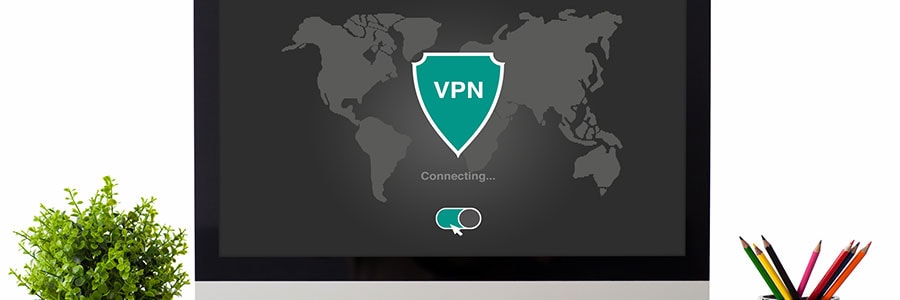
There was a time when installing an antivirus program was enough to secure your data, but that’s no longer the case today. Whether you want to keep your online activities hidden from third parties or prevent your data from being intercepted by hackers, you need to invest in a virtual private network (VPN).
What is a VPN?
A VPN creates a secure tunnel between your device and the websites you visit, protecting you from hackers looking to intercept your data.

Helpful tips for keeping your email safe

People rely on email to do a wide array of tasks. We use it to sign up for websites, apply for jobs, make payments, get in touch with friends and family, and many more. However, email is also commonly exploited by hackers to steal information or launch malware attacks.

Your password may not be secure — update it now

The National Institute of Standards and Technology (NIST) once said that a good password consisted of three things: upper- and lowercase letters, numbers, and symbols. However, the NIST has now reversed its stance on good passwords. Here’s why and what they are now recommending.