It’s time to rethink your password strategy
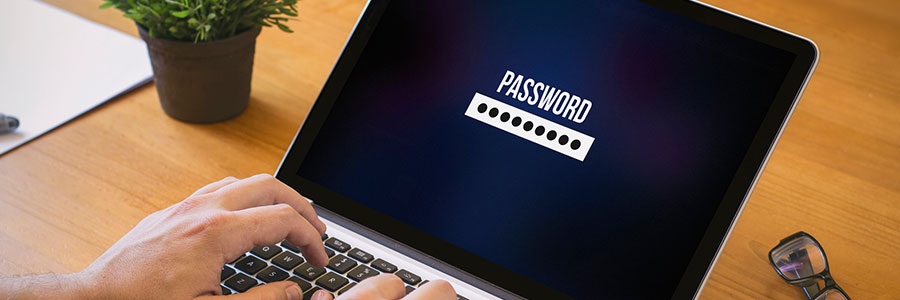
In 2003, the National Institute of Standards and Technology (NIST) stated that strong passwords should consist of upper- and lowercase letters, numbers, and symbols. Recently, however, the institute reversed its stance. Find out why and learn what their new recommendations are for creating strong passwords.

A closer look at fileless malware

To avoid detection by anti-malware programs, cybercriminals are increasingly abusing legitimate software tools and programs installed on computers to initiate attacks. They use fileless malware to infiltrate trusted applications and issue executables that blend in with normal network traffic, IT processes, and system administration tasks while leaving fewer footprints.

New Android malware detected!

If you have an Android device, be careful! An exceptionally dangerous Android malware known as DEFENSOR ID is currently making the rounds in the Google Play Store. The malware exploits the Accessibility Services in an Android device to evade detection by traditional security measures.

Security best practices for remote workers

Working from home increases employee autonomy, cuts costs, and ensures the health and safety of the company during the coronavirus pandemic. The problem is, it also increases the likelihood of security breaches since employees are working outside the company's security perimeter.

Autocomplete password risks

Web browsers come with features to improve user experience. One of the most popular ones is auto-fill passwords. These are designed for users to store and automatically use their account credentials to access websites and other applications. While auto-fill passwords are convenient, they come with security risks.

3 Hats a hacker might wear

While not always accurate in its portrayal of hackers, Hollywood does get at least one thing right: there are many types of hackers out there, all with varied methods and motivations. In this article, we’ll take a look at three main types of hackers.