
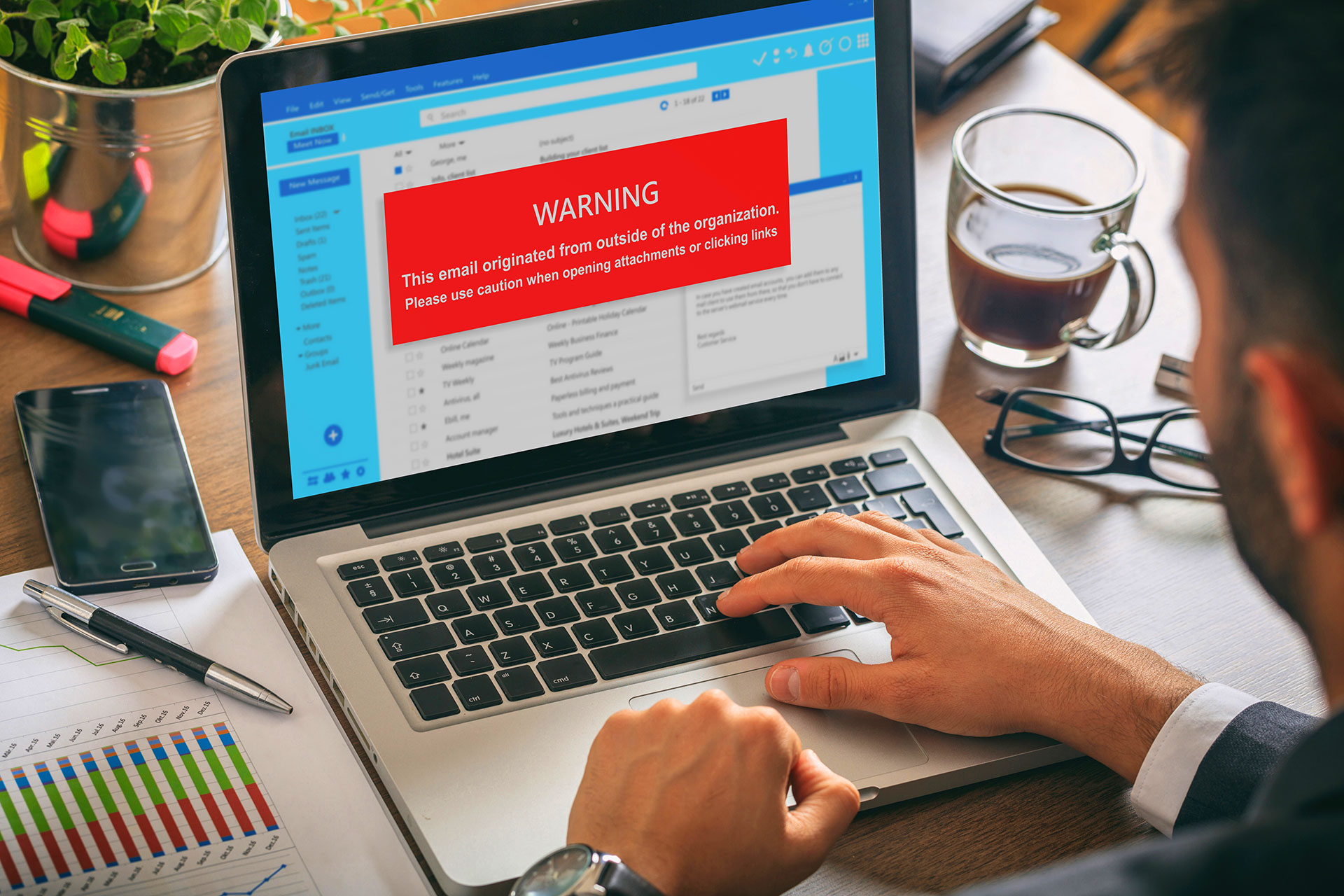
The email didn’t look suspicious. It used the right logo. The tone felt normal. The sender appeared familiar. It arrived during a busy afternoon when no one had time to overthink it.One click followed. Everything stopped.
Why Phishing Still Works So Well?
Phishing isn’t sophisticated. It’s effective. Attackers don’t rely on technical brilliance. They rely on human behavior. Curiosity. Urgency. Routine. Trust. The best phishing emails don’t scare people. They blend in. And that’s the danger.
The Chain Reaction No One Sees Coming
The click didn’t cause immediate chaos. Credentials were harvested quietly. Access was gained silently. No alarms sounded. No systems crashed.Hours passed. Then days. By the time ransomware deployed, attackers already understood the network. They knew where data lived. They knew which systems mattered most. The shutdown was deliberate.
Why One Inbox Can Take Everything Down
Phishing rarely stops with one account. Once attackers gain a foothold, they escalate. They search for reused passwords. They exploit excessive access. They move laterally across systems that were never meant to be connected.This is where small mistakes turn catastrophic.
What Usually Fails Before the Click
Phishing succeeds when multiple defenses are missing or weak. Common failures include:
- Lack of employee awareness training
- No multi-factor authentication
- Over-privileged user accounts
- Inadequate email filtering
- No monitoring for unusual login behavior
The email was only the entry point. The real failure came before it arrived.
Why Recovery Hurts More Than Expected?
When systems go down, work stops instantly. Orders freeze. Communication breaks. Customers notice. Leadership shifts into crisis mode. Days blur into damage control.Even with backups, restoration takes time. Trust takes longer. Most companies underestimate how disruptive a full shutdown really is until they experience one.
The Emotional Cost No One Talks About
Beyond financial loss, phishing incidents leave scars. Teams lose confidence. Employees blame themselves. Leaders question systems they thought were safe. Momentum disappears.The recovery isn’t just technical. It’s psychological.
Prevention Lives in Preparation
Phishing doesn’t require paranoia to prevent. It requires readiness. Training that stays current. Systems that assume compromise is possible. Access that’s limited by design. Alerts that trigger early, not late. The goal isn’t to stop every email.It’s to stop one click from becoming a total failure. Because the most dangerous cyber events don’t start with explosions. They start with someone opening their inbox.
When was the last time you tested what happens after the click, not just before it?
At KRS IT Consulting, we help businesses close the gaps that phishing exploits long before ransomware ever appears. Call 973-657-2356 or click here to start building real resilience.