
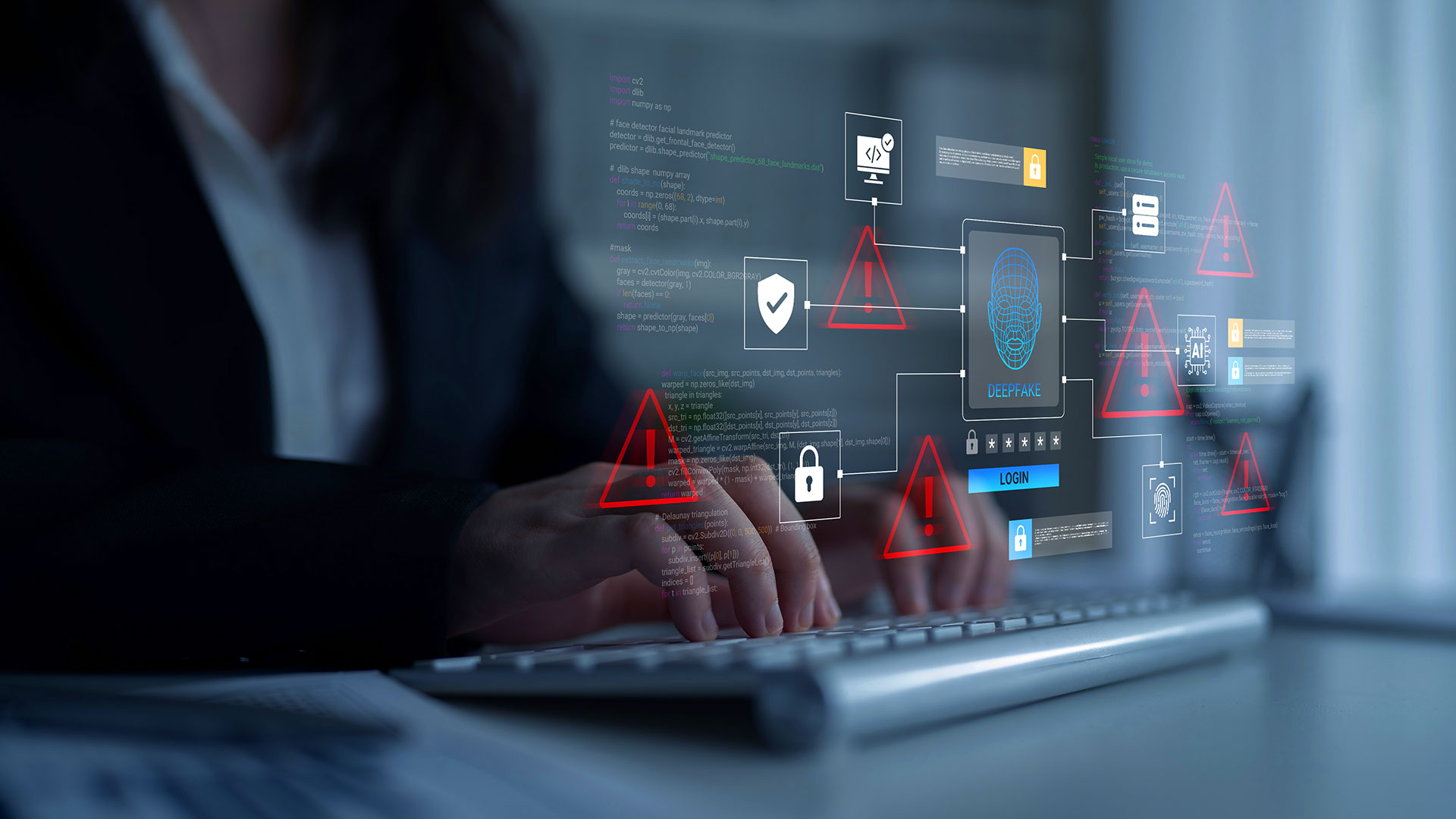
Is your business one phishing email away from a total shutdown? Most companies don't find out how exposed they are until it's too late, and by then, the damage is already done. A cyber security assessment services engagement is the only reliable way to find your weak spots before someone else does.
What Are Cyber Security Assessment Services?
Cyber security assessment services are structured evaluations that identify vulnerabilities, gaps, and risks across an organization's networks, systems, and applications. They combine technical scanning, manual testing, and compliance review to produce a clear risk report with prioritized recommendations. The goal is to help businesses fix weaknesses before attackers exploit them.
Think of it as a full-body checkup for your IT environment. Instead of guessing where the risks are, you get a documented, prioritized picture of exactly what needs attention and why.
Why Skipping an Assessment Is a Costly Gamble
Plenty of business owners assume they're "too small" to be a target. Attackers don't share that assumption. Automated bots scan the internet constantly, hunting for outdated software, weak passwords, and misconfigured firewalls, regardless of company size.
Without a formal assessment, you're essentially flying blind. Here's what typically happens when organizations skip this step:
- Unpatched vulnerabilities sit exposed for months or years
- Compliance gaps go unnoticed until an audit or a breach forces the issue
- Shadow IT devices and apps create unmonitored entry points
- Legacy systems remain connected without proper segmentation
Each of these gaps compounds over time, making a future incident more expensive and harder to contain.
Core Components of a Strong Assessment
Not every assessment is created equal. A thorough process goes well beyond running a single automated scan and calling it a day. Here's what a comprehensive evaluation should cover.
Vulnerability Scanning
This involves automated tools that sweep your network, servers, and endpoints for known weaknesses, missing patches, and misconfigurations. It's the foundation layer, fast and broad, but it needs human interpretation to be truly useful.
Penetration Testing
Ethical hackers simulate real attacks to see how far they could actually get into your systems. This step reveals whether your defenses hold up under genuine pressure, not just theoretical risk scores.
Risk and Compliance Review
This checks your environment against frameworks like HIPAA, PCI-DSS, or NIST, depending on your industry. It flags where documentation, policies, or controls fall short of regulatory expectations.
Configuration and Access Audits
Reviewing who has access to what, and why, often uncovers surprising gaps. Former employees with active credentials or overly broad permissions are more common than most leadership teams realize.
Who Actually Needs This Service?
Short answer: nearly every organization that touches sensitive data, financial systems, or customer information. That said, some businesses face sharper urgency.
- Healthcare providers managing patient records
- Financial firms handling transactions and account data
- Retailers processing payment card information
- Any company that recently expanded, merged, or adopted new software
- Organizations preparing for cyber insurance renewal or a compliance audit
If any of these describe your business, an assessment isn't optional. It's operational hygiene.
What Happens After the Assessment?
The report itself is only half the value. What matters most is the action plan that follows. A good provider will hand you a prioritized roadmap, not just a stack of technical jargon.
Typically, this includes:
- A ranked list of vulnerabilities by severity and exploitability
- Specific remediation steps for each finding
- Recommendations for policy or process changes
- A timeline for re-testing to confirm fixes actually worked
Security is never a one-time project. It's an ongoing cycle of assessing, fixing, and reassessing as your environment evolves.
Connecting Security to Everyday IT Operations
Security assessments don't exist in a vacuum. They work best when paired with reliable day-to-day IT management that can act on findings quickly. If your internal team is already stretched thin handling helpdesk tickets and system maintenance, remediation can stall.
This is where having dependable IT support solutions that keep your business running becomes essential. When assessment findings are handed off to a team that can implement patches, tighten configurations, and monitor systems continuously, the gap between "identified risk" and "resolved risk" shrinks dramatically.
Frequently Asked Questions
How often should a business run a cyber security assessment?
Most experts recommend at least once a year, with additional assessments triggered by major changes like new software rollouts, mergers, or significant staff turnover.
Is a vulnerability scan the same as a full assessment?
No. A vulnerability scan is one component of a broader assessment. A full evaluation also includes manual testing, compliance checks, and access reviews.
Can small businesses benefit from these services?
Absolutely. Smaller organizations are frequently targeted precisely because attackers assume their defenses are weaker or nonexistent.
Does an assessment disrupt normal business operations?
A well-planned assessment is designed to run with minimal disruption. Providers typically schedule intensive testing during low-traffic hours to avoid interfering with daily operations.
What's the difference between an assessment and penetration testing?
An assessment is the umbrella process that identifies and evaluates risks broadly. Penetration testing is a more aggressive, hands-on component within that process, simulating real-world attack scenarios.
Final Thoughts
Cyber threats aren't slowing down, and hoping your business stays under the radar isn't a strategy. A thorough, well-executed assessment gives you something far more valuable than peace of mind, it gives you a clear, actionable understanding of exactly where you stand. Pair that insight with a support system capable of acting on it, and you've built a security posture that can actually hold up under pressure.